On September 18, the 23rd China-ASEAN Expo Dialogue on Economic and Trade Cooperation with ASEAN was successfully held at Guangxi University. Under the theme “Digital Intelligence Empowers, Win-Win Collaboration Forges Ahead: High-Quality Development of China-ASEAN Free Trade Area 3.0,” the event brought together young representatives from ASEAN countries, scholars and experts, and government officials. Ning Xuchu, Deputy Secretary of the CPC Committee of Guangxi University; Assoc. Prof. Dr. Dang Thi Thu Huong, Vice Rector of the University of Social Sciences and Humanities, Vietnam National University, Hanoi; Hu Suojin, Vice President and Secretary-General of the China Association for International Economic Cooperation and former Minister-Counsellor for Economic and Commercial Affairs at the Chinese Embassy in Vietnam; and Peng Chuanwu, Member of the Party Leadership Group and Deputy Director-General of the Foreign Affairs Office of the People’s Government of Anhui Province, delivered remarks at the opening ceremony.
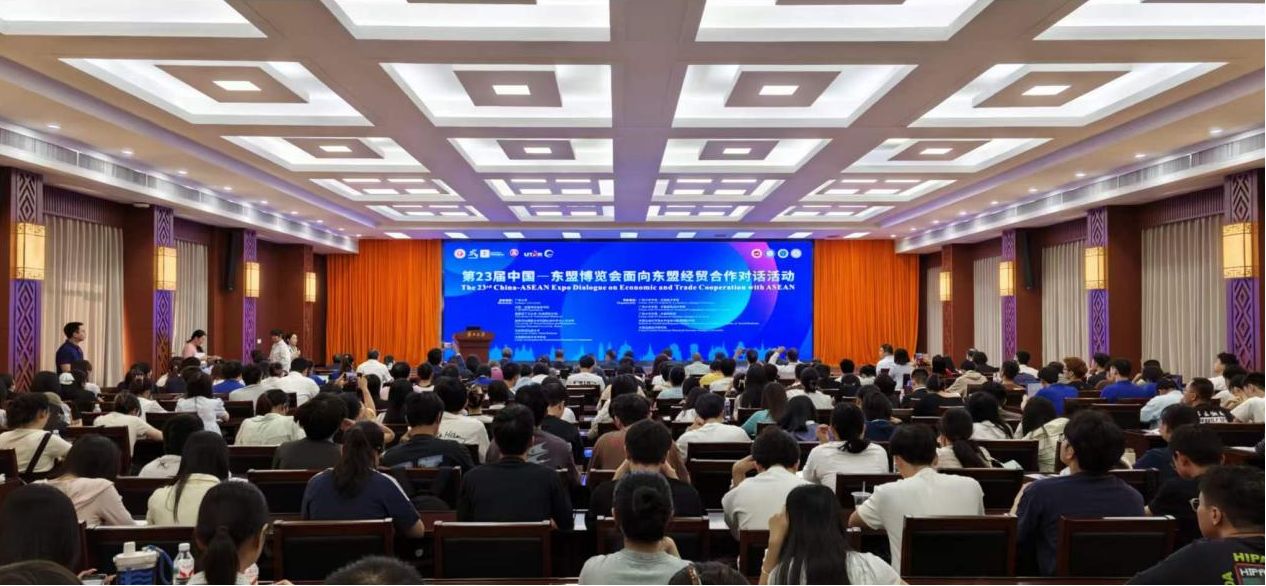
Opening Ceremony
Song Yaoming, former Minister-Counsellor for Economic and Commercial Affairs at the Chinese Embassy in Japan, presided over the opening ceremony. He noted that 2026 marks the fifth anniversary of the establishment of the China-ASEAN Comprehensive Strategic Partnership, making the gathering of insights from various sectors for in-depth discussions on China-ASEAN cooperation both timely and significant.
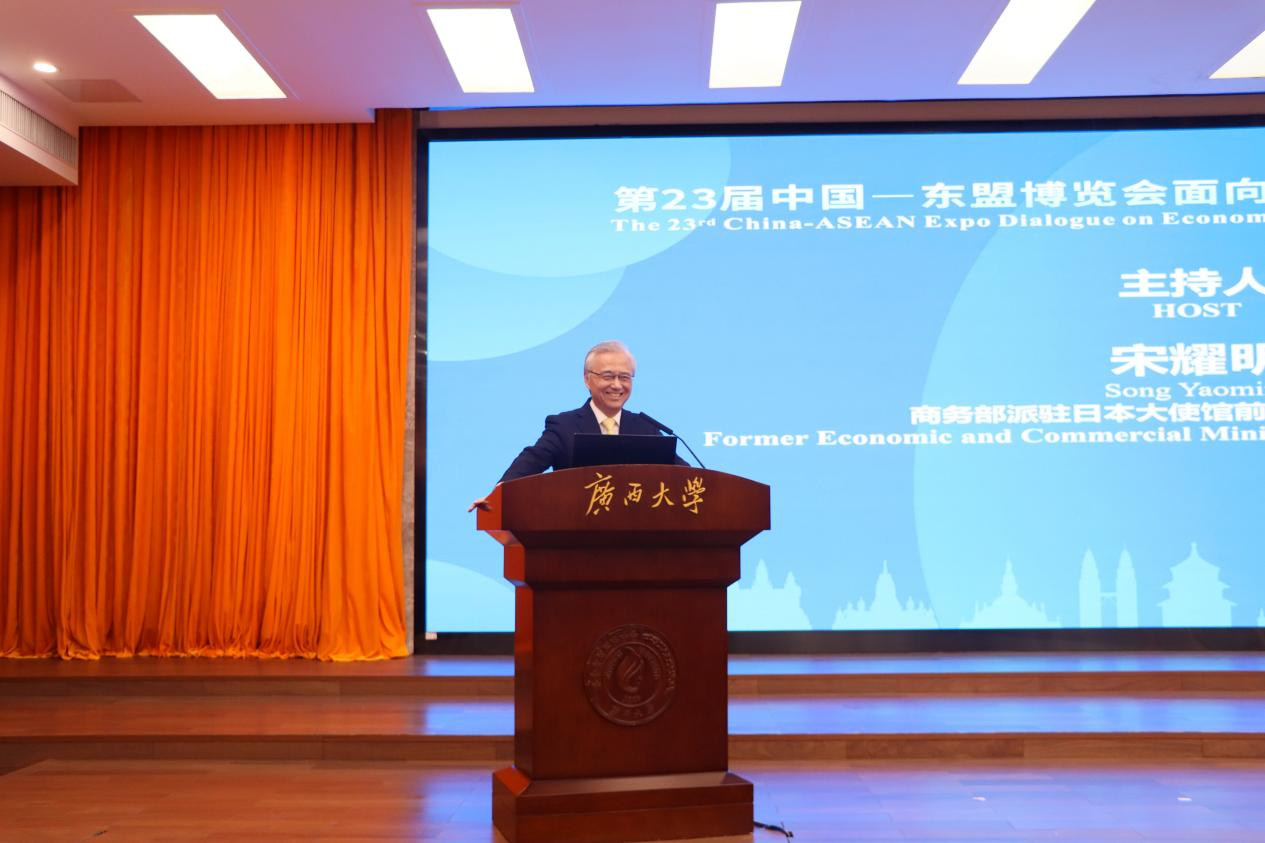
Song Yaoming presiding over the Opening Ceremony
In his remarks, Ning Xuchu noted that the global economic recovery remains uneven and that digital transformation has become a new arena and a new driving force for China-ASEAN economic cooperation. The development of China-ASEAN Free Trade Area 3.0 encompasses a wide range of emerging fields and urgently requires theoretical support, technological expertise, and a strong talent base from the academic community. He called on universities to shoulder their responsibilities in this new era.
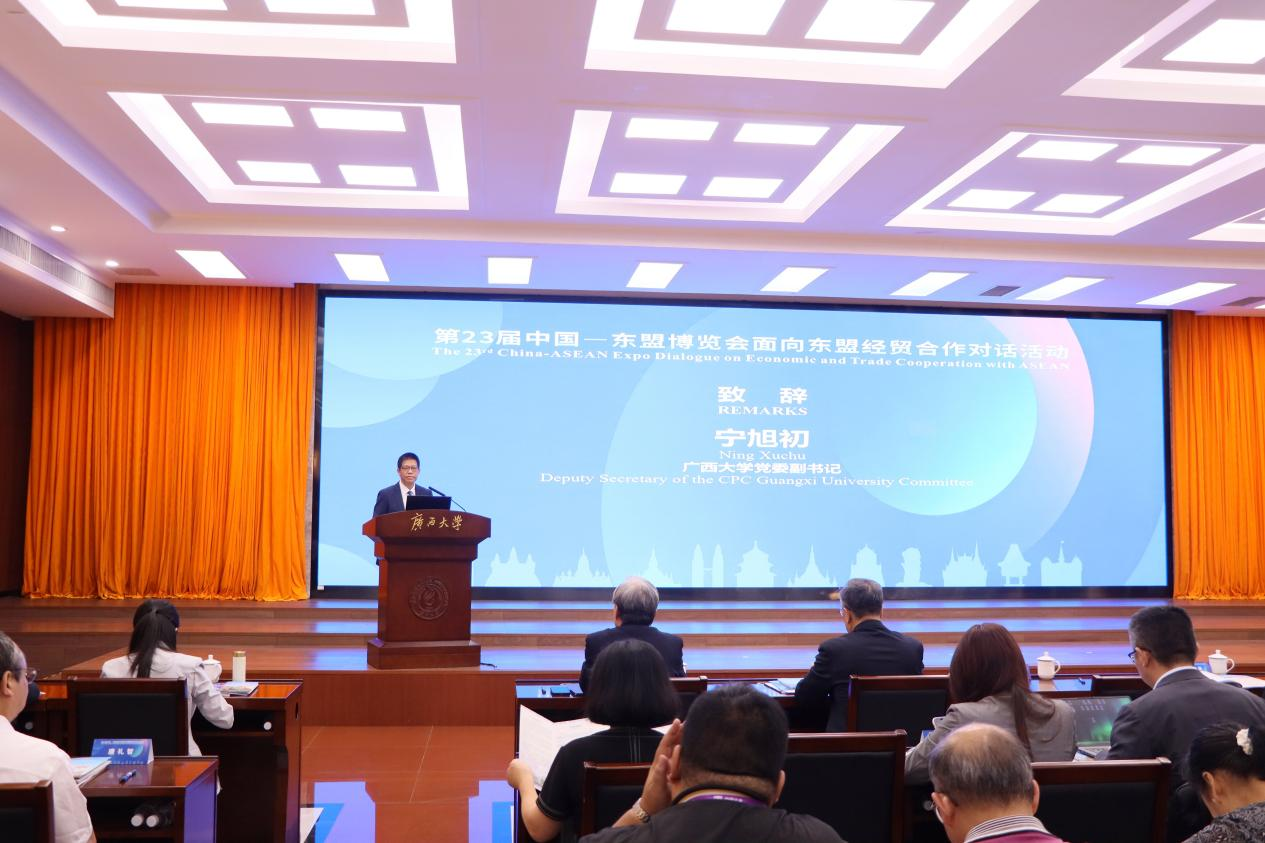
Ning Xuchu delivering remarks
Dang Thi Thu Huong stated that Vietnam has actively participated in regional economic and trade cooperation and continued to deepen connectivity with China and other ASEAN countries. The Dialogue serves not only as a platform for product showcasing and trade promotion, but also as an opportunity to jointly foster an open, innovative, and sustainable regional economy. The University of Social Sciences and Humanities looks forward to using the Dialogue as a platform to translate real-world policy issues into academic research and explore development pathways driven by digital intelligence and win-win cooperation.
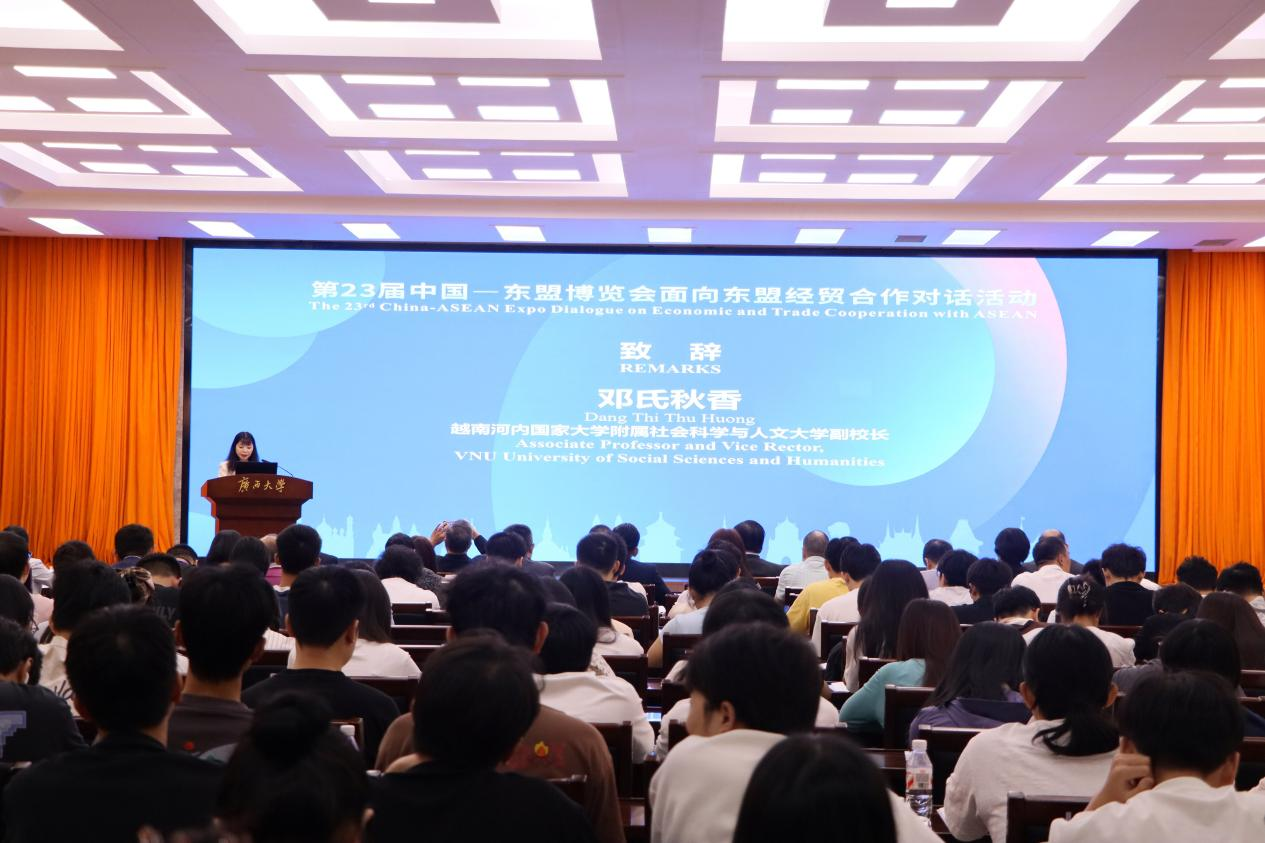
Dang Thi Thu Huong delivering remarks
Hu Suojin noted that with the implementation of the China-ASEAN Free Trade Area 3.0 Upgrade Protocol, together with the infrastructure benefits brought by the official operation of the Pinglu Canal and the opportunities for cooperation arising from artificial intelligence and the digital economy, the integration of physical and digital connectivity will inject fresh momentum into bilateral economic and trade cooperation. He called on all parties to seize the opportunities presented by the digital era, build consensus through collective wisdom, and contribute to forging a closer China-ASEAN community with a shared future.
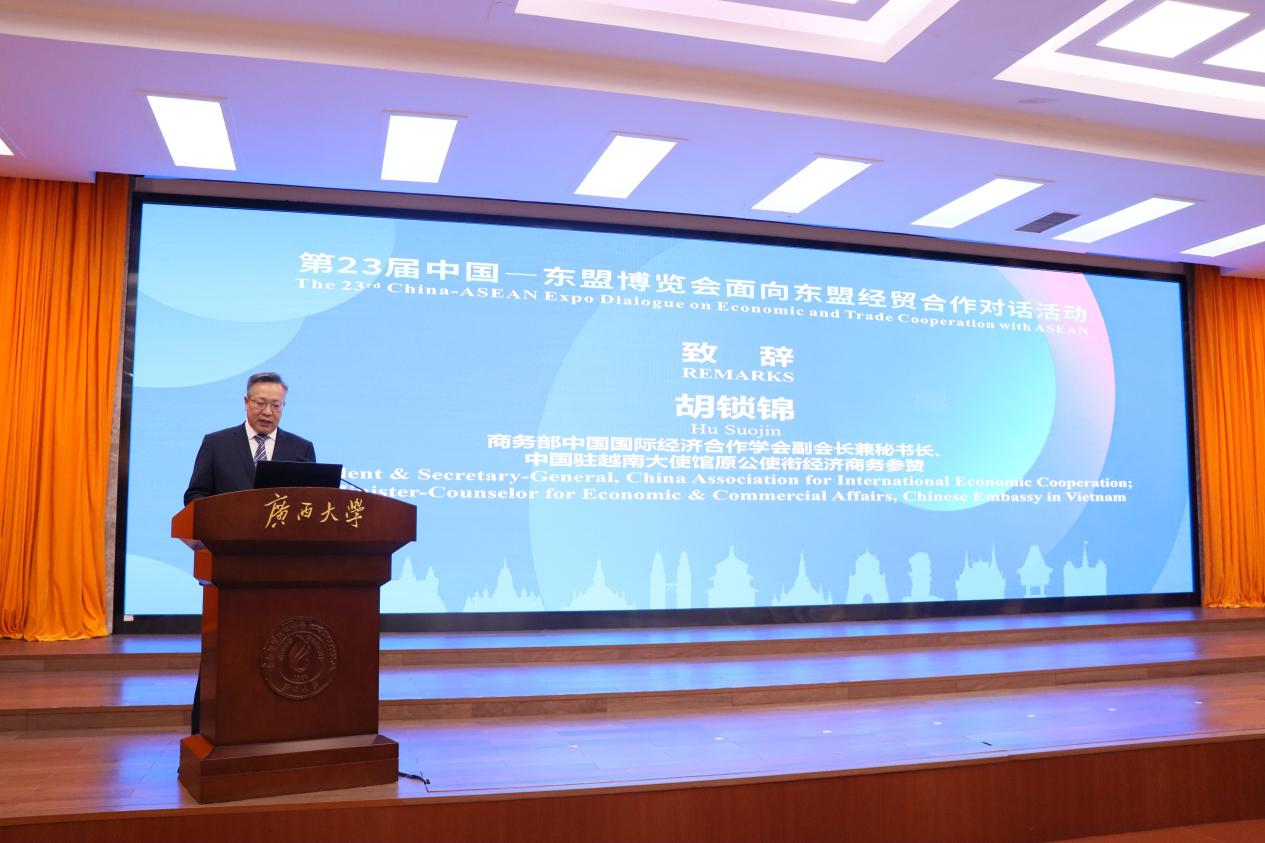
Hu Suojin delivering remarks
Peng Chuanwu stated that Anhui will leverage the Huangshan Forum to align with the upgrading of the Regional Comprehensive Economic Partnership (RCEP) and deepen collaboration with relevant think tanks. He invited all parties to participate in the 2027 Huangshan Forum and work together to advance practical cooperation between China and ASEAN at the subnational level.
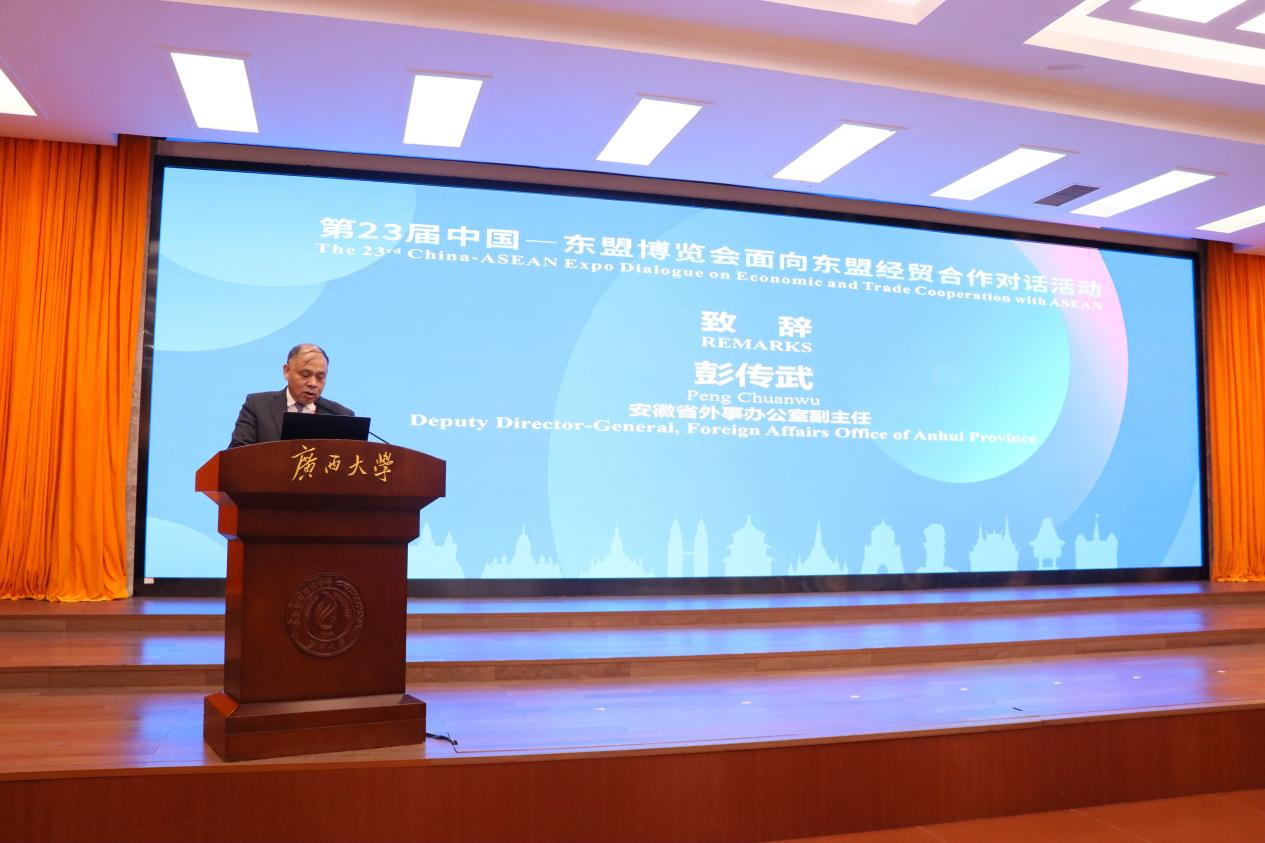
Peng Chuanwu delivering remarks
The Dialogue provided a platform for all parties to exchange views and explore opportunities for cooperation. Focusing on the development of China-ASEAN Free Trade Area 3.0, participants exchanged ideas, built consensus, and effectively leveraged the bridging role of the think tank platform. Going forward, all parties will further deepen academic exchanges, think tank collaboration, and practical cooperation at the subnational level, harness the benefits of greater institutional openness, tap the potential of digital cooperation, and jointly contribute to the steady and sustained development of China-ASEAN economic and trade cooperation.
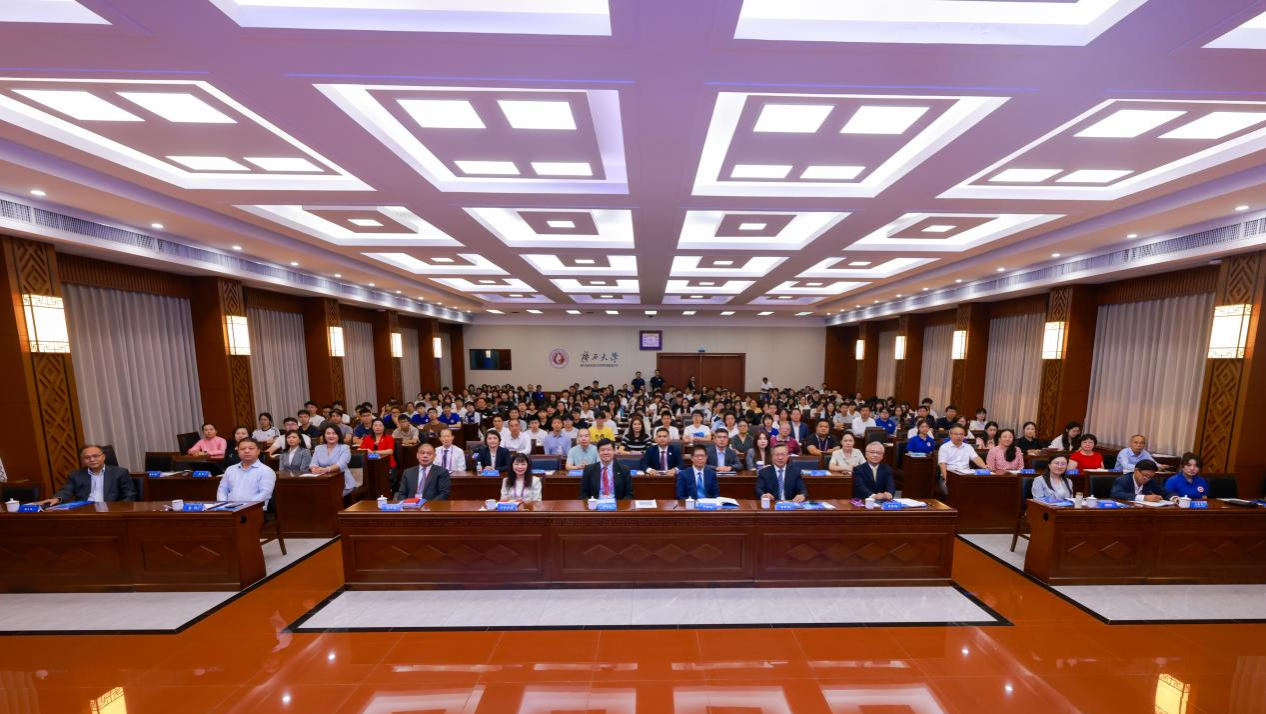
Group Photo
Source: Huang Cailan, Qin Yi, Zheng Liying
Translated by AI
Proofread by Yu Na, Fan Shi Qiongxiang
Edited by Wei Jiali
Reviewed by Gong Zheng


 ADD:No.100 Daxue Road, Nanning, Guangxi, China
 Tel/Fax:+86-0771-3186687
 Email: gse@gxu.edu.cn
 Wechat